How I Started Reversing Time with Simple Rehab Moves
Turning 40 hit me harder than expected—stiff joints, low energy, and feeling “off” every morning. I didn’t want anti-aging pills or extreme diets. Instead, I turned to rehabilitation-based recovery methods, something I’d never considered before. What I discovered surprised me: small, consistent movements rebuilt my strength and vitality. This isn’t about looking younger—it’s about feeling stronger, moving freely, and reclaiming daily energy. If you're new to this, here’s where to start.
The Wake-Up Call: When Aging Felt Real
It wasn’t one dramatic moment but a slow accumulation of small frustrations that made me realize something was shifting. I remember reaching for a coffee mug and feeling a sharp twinge in my wrist. Then came the mornings when standing up from the couch required a hand on the armrest, as if I were decades older. Stairs that once felt effortless now left me slightly breathless. These weren’t injuries—just subtle, persistent reminders that my body was no longer functioning the way it used to.
What struck me most was how easily I’d ignored these early signs. Joint stiffness, fatigue after minor exertion, and longer recovery times after physical activity are common experiences for many women in their late 30s and beyond. Yet, they’re often dismissed as “just part of getting older.” We accept them as inevitable, brushing off the discomfort with humor or resignation. But the truth is, these signals are not random inconveniences—they’re your body’s way of asking for attention.
For years, I tried to counteract these changes with quick fixes: juice cleanses, high-intensity workouts, or trendy supplements. But none delivered lasting results. In fact, some made things worse. The turning point came when I realized I was focusing on the wrong goal. I was chasing appearance—tighter skin, slimmer jeans—while neglecting function. What I truly wanted wasn’t to look younger but to feel capable. To bend down and tie my shoes without wincing. To play with my kids without needing a nap afterward. That shift in mindset—from aesthetics to ability—became the foundation of my journey.
Rehab vs. Fitness: What Beginners Often Confuse
One of the biggest revelations in my journey was understanding the difference between rehabilitation and fitness. At first, I assumed they were two paths to the same destination—better health. But they serve very different purposes. Fitness is about performance: building muscle, increasing endurance, burning calories. Rehabilitation, on the other hand, is about restoration: improving movement quality, correcting imbalances, and retraining the body to function efficiently.
This distinction matters, especially as we age. A 45-year-old woman who hasn’t exercised in years shouldn’t jump into a high-intensity interval training (HIIT) class expecting sustainable results. Her body may not be ready for that level of demand. Without proper preparation, such routines increase the risk of strain, joint stress, and discouragement. Rehabilitation provides the necessary groundwork—like warming up an engine before driving—so the body can safely adapt to greater challenges over time.
Think of it this way: if your car has been sitting idle for months, you wouldn’t floor the gas pedal the first time you start it. You’d let it idle, ease into motion, and listen for any warning signs. The same logic applies to the human body. Rehabilitation is the process of tuning up your internal systems—joints, muscles, nerves—so they work together smoothly. It’s not flashy or fast, but it’s foundational. By starting with rehab, you’re not just avoiding injury; you’re building a resilient, responsive body that can support an active, vibrant life for years to come.
The Core Principle: Movement as Medicine
The central idea behind rehabilitation is simple but powerful: movement is medicine. Unlike drugs or supplements, which act on the body from the outside, movement works from within. It stimulates circulation, nourishes joint tissues, and enhances neuromuscular communication. Scientific research supports this—studies show that controlled, low-impact motion improves synovial fluid production, which lubricates joints and reduces stiffness. It also promotes better blood flow, delivering oxygen and nutrients to muscles and connective tissues.
One of the most important concepts I learned is neuromuscular re-education. As we age, our movement patterns can become inefficient due to inactivity, repetitive motions, or past injuries. Muscles forget how to fire properly, and the brain-body connection weakens. Rehab exercises help retrain this communication, teaching the body to move with precision and control. For example, a simple ankle circle isn’t just about flexibility—it’s about reactivating the neural pathways that govern joint stability and coordination.
What makes rehab especially effective for long-term health is its emphasis on consistency over intensity. You don’t need to push yourself to exhaustion. In fact, doing so can be counterproductive. The goal is regular, mindful movement—something you can do daily without strain. Over time, these small efforts accumulate. Joints regain range of motion. Muscles become more responsive. Energy levels rise. This isn’t about dramatic transformation; it’s about gradual, sustainable improvement. And that’s exactly what makes it so powerful for aging well.
My First 3 Rehab Habits (And Why They Worked)
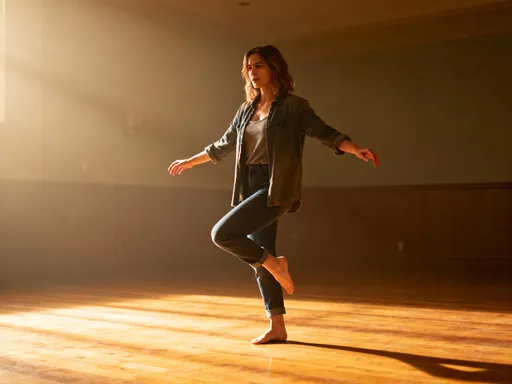
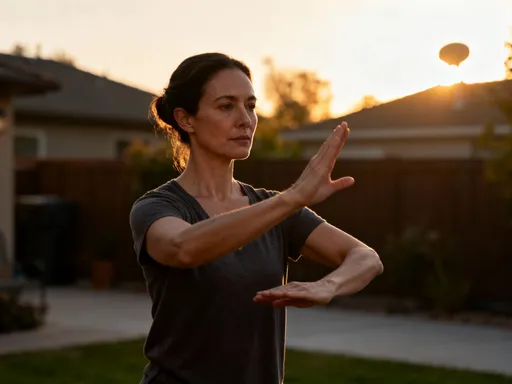
When I began, I knew I needed simple, manageable habits—something I could stick with even on busy days. I started with three foundational practices that required no equipment and took less than 10 minutes total. The first was a daily joint mobility routine. Each morning, I performed gentle movements: wrist circles, shoulder rolls, spinal twists, and ankle rotations. These weren’t stretches or strength exercises—they were designed to lubricate joints and wake up the nervous system. Within a week, I noticed my hands felt less stiff during typing, and my lower back didn’t ache as much when I stood up.
The second habit was breathing exercises. I had always associated breathing with relaxation, but I didn’t realize how deeply it affects physical recovery. I began practicing diaphragmatic breathing—slow, deep inhales through the nose, expanding the belly, followed by long exhales. This simple practice helped reset my nervous system, shifting it from a stressed “fight-or-flight” state to a calmer “rest-and-digest” mode. Over time, I noticed reduced muscle tension, better sleep, and even fewer afternoon energy crashes. Research confirms that controlled breathing lowers cortisol levels and reduces systemic inflammation—both of which contribute to aging-related fatigue.
The third habit was low-load endurance movements. These are exercises that activate muscles without heavy strain. I started with wall sits—sliding my back down a wall until my knees were bent at 90 degrees and holding for 20 seconds. I also did seated leg lifts, lifting one leg at a time while sitting in a chair. These movements engaged my glutes, quads, and core without joint impact. They felt almost too easy at first, but I soon realized their value. My legs felt stronger when climbing stairs, and I had better posture during long periods of sitting. The key was doing them consistently—every day, even if only for a few minutes. The cumulative effect was real, measurable improvement in strength and stability.
Common Beginner Mistakes (And How to Avoid Them)
Even with the best intentions, it’s easy to make missteps when starting a rehab routine. One of the most common is overdoing it too soon. Many people, eager for results, push themselves too hard—holding stretches too long, repeating exercises too many times, or increasing intensity too quickly. But rehab is not about intensity. The “no pain, no gain” mindset doesn’t apply here. In fact, discomfort is a warning sign. If an exercise causes sharp pain, joint strain, or muscle trembling, it’s a signal to stop or modify. Progress in rehab comes from consistency, not strain.
Another frequent mistake is skipping professional assessment. While many rehab exercises are safe for general use, everyone’s body is different. Past injuries, posture imbalances, or undiagnosed conditions can affect how you should move. Consulting a physical therapist or certified rehab specialist—even once—can provide valuable guidance. They can assess your movement patterns, identify areas of weakness, and recommend personalized modifications. This small step can prevent long-term issues and ensure your routine is both effective and safe.
A third pitfall is misusing home equipment. Resistance bands, foam rollers, and balance cushions can be helpful tools, but only when used correctly. I learned this the hard way when I over-stretched with a resistance band and pulled a muscle. Without proper form, even gentle tools can cause harm. The solution is education: watching trusted instructional videos, reading reputable guides, or working with a professional to learn correct technique. Safety isn’t just about avoiding injury—it’s about building confidence in your ability to move well.
Building a Sustainable Routine: From Days to Lifestyle
One of the most important lessons I’ve learned is that sustainability trumps perfection. A 30-minute routine done once a week is less effective than 10 minutes done every day. The key is integration—making rehab a natural part of your daily rhythm. I started by anchoring my exercises to existing habits: doing joint mobility right after brushing my teeth, practicing breathing while waiting for the kettle to boil, and doing seated leg lifts during morning emails.
Structuring the routine was also crucial. I divided my 10–15 minutes into three segments: 3 minutes of joint mobility, 5 minutes of breathing and posture work, and 5 minutes of low-load endurance movements. This balance ensured I was addressing multiple systems—joints, nervous system, and muscles—without feeling overwhelmed. I kept a simple journal to track subtle changes: energy levels, mood, ease of movement. At first, the shifts were small—a slightly deeper squat, less morning stiffness—but over weeks, they added up.
Another strategy was flexibility. Some days, I only had 5 minutes. Other days, I felt too tired or busy. Instead of giving up, I adjusted. Maybe I did just the breathing exercises. Or I focused only on my wrists and shoulders. The goal wasn’t to complete a rigid checklist but to stay connected to my body. Over time, this practice became less of a “routine” and more of a self-care ritual—a way to honor my body’s needs. And that shift in perspective made all the difference.
Beyond the Body: Mental Clarity and Emotional Balance
One of the most unexpected benefits of rehab was its impact on my mind. I didn’t start this journey to improve my mental health, but that’s exactly what happened. As my body moved better, my thoughts became clearer. I noticed improved focus, reduced mental fog, and a greater sense of calm. This isn’t just anecdotal—research shows that physical activity, especially mindful movement, enhances cognitive function by increasing blood flow to the brain and stimulating neuroplasticity.
There’s also a powerful emotional component. When your body feels stiff and unreliable, it’s easy to feel frustrated or helpless. But when you regain the ability to move freely—to reach the top shelf without strain, to walk without joint pain, to stand tall without discomfort—it boosts your confidence. You begin to feel capable again. This sense of agency is especially important for women navigating midlife changes. It’s not about looking youthful; it’s about feeling strong, independent, and in control.
The mind-body connection in aging is profound. Physical rehab isn’t just about muscles and joints—it’s about rebuilding trust in your body. Each small victory—holding a wall sit a few seconds longer, completing a full spinal twist, breathing deeply without effort—reinforces the message: I am still here. I am still strong. I am still growing. That emotional resilience becomes a foundation for overall well-being, helping you navigate life’s challenges with greater ease and grace.
Anti-aging isn’t about stopping time—it’s about moving well through it. Rehabilitation treatment, often overlooked, offers a realistic, science-backed path to lasting vitality. By starting small and focusing on function, anyone can build a stronger, more resilient body. The best part? It’s never too late to begin. Always consult a healthcare provider before starting any new program—your journey should be safe, smart, and sustainable.