How a Simple Hobby Changed My Recovery Game
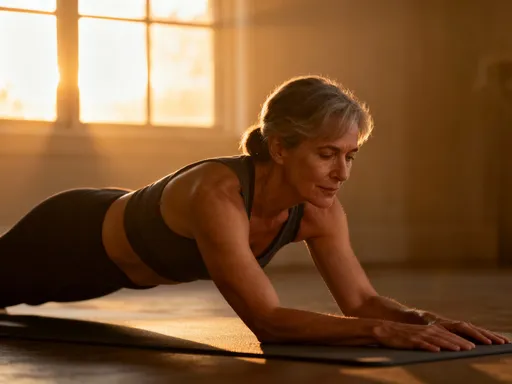
Recovery isn’t just about rest—it’s about moving, feeling progress, and staying motivated. After my injury, I hit a wall. Then I tried something unexpected: turning rehab into a hobby. It wasn’t magic, but it worked. Small, daily actions built momentum. This is how I made rehabilitation training feel natural, enjoyable, and sustainable—without pressure or burnout.
The Recovery Wall: When Progress Stalls
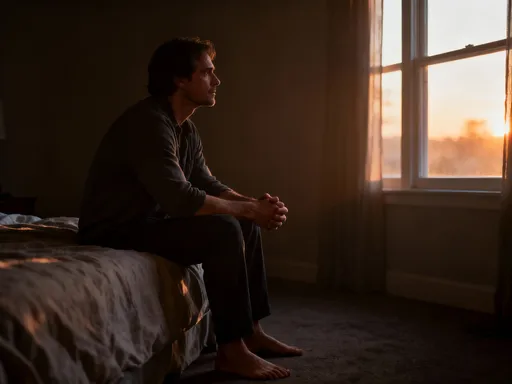
After an injury, the first few weeks of recovery often bring cautious optimism. There's a sense of purpose in following doctor’s orders, doing prescribed exercises, and watching for any sign of improvement. But for many, that early momentum fades. A plateau sets in—movements remain stiff, pain lingers, and progress seems invisible. This is what many call the 'recovery wall,' a point where physical healing slows and emotional fatigue takes over. Motivation dips, frustration grows, and the daily routine of rehabilitation can start to feel like a chore rather than a path forward.
This emotional toll is real and often underestimated. Studies show that individuals recovering from physical injuries frequently report feelings of isolation, helplessness, and even mild depression when progress stalls. The body may be healing, but the mind begins to question whether it ever will fully recover. This mental resistance can be more limiting than the physical limitations themselves. It's not uncommon for people to skip exercises, reduce effort, or disengage from therapy altogether—not because they don’t want to heal, but because the process feels too slow, too painful, or too lonely.
Breaking through this wall requires more than just physical effort; it demands a shift in mindset. Instead of viewing recovery as a series of medical tasks to endure, it helps to see it as an opportunity to reconnect with your body in a meaningful way. The turning point for many comes when they stop thinking of rehabilitation as something they 'have to do' and start seeing it as something they can choose to engage with. That shift—from obligation to engagement—opens the door to a more sustainable, even enjoyable, recovery journey. And one of the most effective ways to foster that engagement is through the power of a simple hobby.
Why Hobbies Heal: The Science of Enjoyable Movement
The human brain responds powerfully to activities that bring joy. When we engage in something we enjoy, the brain releases dopamine, a neurotransmitter associated with pleasure, motivation, and learning. This chemical response is not just about feeling good—it plays a critical role in how we adapt, recover, and retrain our bodies after injury. Dopamine enhances neuroplasticity, the brain’s ability to reorganize and form new neural connections. This is especially important in rehabilitation, where the goal is often to rewire movement patterns, regain coordination, and rebuild strength in ways that feel natural rather than forced.
Research supports the idea that enjoyable movement leads to better recovery outcomes. A 2020 study published in the journal *Frontiers in Neurology* found that patients who participated in hobby-based physical activities during recovery showed greater improvements in motor function and reported higher levels of adherence compared to those who followed only standard therapy protocols. The reason? When an activity feels like play rather than work, people are more likely to stick with it, repeat it, and gradually increase their effort over time. Repetition is key in rehabilitation, and hobbies provide a built-in mechanism for consistent practice without the mental fatigue of 'doing exercises.'
Beyond dopamine and repetition, hobbies strengthen the mind-body connection. Activities like painting, playing an instrument, or tending to plants require focus, coordination, and subtle motor control—all of which support physical recovery in ways that traditional exercises may not fully address. These activities train the brain to integrate movement with intention, which is essential for regaining confidence in daily tasks. Over time, the brain begins to associate movement not with pain or limitation, but with creativity, purpose, and accomplishment. This shift in perception can be transformative, turning recovery from a battle into a process of rediscovery.
From Therapy to Play: Redefining Rehabilitation Training
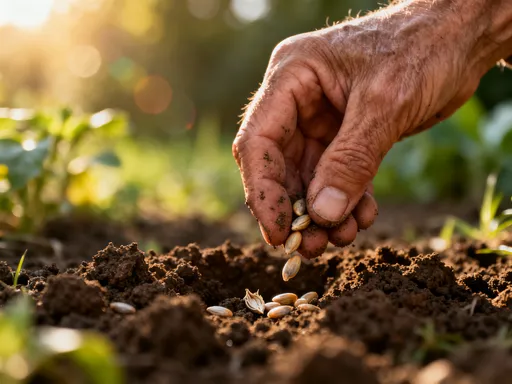
Physical therapy is essential, but it doesn’t have to be the only way to heal. Many people find that when they reframe therapeutic movements as part of a larger, enjoyable activity, those movements become easier to perform and more meaningful. For example, reaching for a flower while gardening mimics the shoulder stretches prescribed in rehab. Bending to pull weeds engages core stability and balance. Even the rhythmic motion of watering plants can improve grip strength and wrist mobility. What looks like leisure is, in fact, functional training in disguise.
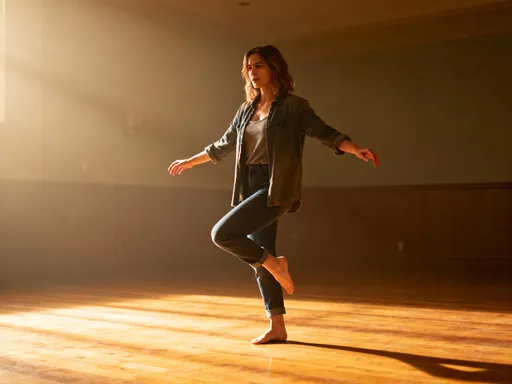
Dancing is another powerful example of how play can support recovery. For someone working on balance and coordination, a simple dance routine to a favorite song can be more effective than standing on one leg in front of a mirror. The music provides rhythm, which helps regulate movement and improve timing. The joy of dancing reduces stress, which in turn lowers muscle tension and enhances flexibility. And because it feels like fun, people are more likely to repeat it daily, reinforcing the very skills their therapist wants them to build.
The key is to find activities that align with your recovery goals while also sparking interest. If hand dexterity is a focus, knitting or pottery might be ideal. If endurance is the goal, birdwatching on gentle nature walks can gradually increase stamina. The beauty of this approach is that it removes the pressure of 'performing' recovery. Instead of counting repetitions, you're absorbed in the activity itself. The repetition still happens—but now it’s driven by curiosity and enjoyment rather than obligation. This subtle shift makes all the difference in long-term consistency and emotional well-being.
Quick Wins: Choosing the Right Hobby for Your Stage
Starting a hobby during recovery doesn’t require grand plans or expensive equipment. The most effective hobbies are simple, accessible, and adaptable to your current physical abilities. In the early stages of healing, when energy is low and movement is limited, low-impact activities can provide gentle stimulation without strain. Coloring, for instance, encourages fine motor control and hand-eye coordination. Journaling improves finger strength and promotes mental clarity. Even listening to audiobooks while doing seated stretches can turn passive rest into active engagement.
As mobility improves, hobbies can evolve to match new capabilities. Someone recovering from knee surgery might begin with seated gardening using raised planters, then gradually transition to standing tasks as strength increases. A person rebuilding upper body strength could start with light clay modeling and progress to woodworking or assembling model kits. The goal is not to rush into complex activities, but to choose something that feels achievable and rewarding at your current stage.
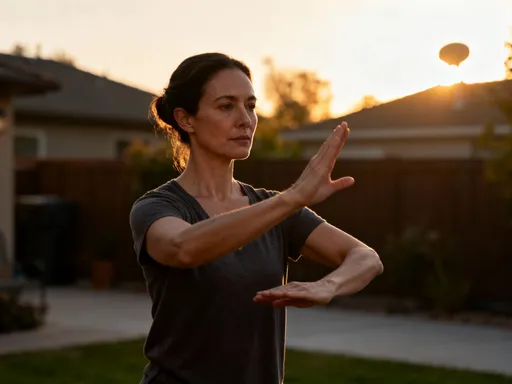
Matching hobbies to recovery goals increases their therapeutic value. If balance is a focus, tai chi or gentle yoga practiced at home can be both calming and effective. For those working on respiratory strength, playing a wind instrument—even a simple harmonica—can improve lung capacity in an enjoyable way. The important thing is to consult with your physical therapist before beginning any new activity. They can help you identify which movements are safe and how to modify hobbies to fit your rehabilitation plan. This ensures that your hobby supports, rather than hinders, your healing process.
Building a Habit That Sticks: The 5-Minute Rule
One of the biggest challenges in recovery is consistency. It’s easy to commit to a routine when motivation is high, but when pain flares up or progress feels slow, even the best intentions can falter. That’s where the 5-minute rule comes in—a simple but powerful strategy for building lasting habits. The idea is this: commit to doing your chosen hobby for just five minutes a day. No more, no less. At the end of five minutes, you’re free to stop—but most people find that once they start, they want to keep going.
This approach works because it reduces the mental barrier to action. The thought of doing 30 minutes of exercises can feel overwhelming, but five minutes feels manageable, even on a bad day. Over time, those small sessions add up. More importantly, they build confidence. Each time you follow through on the promise to yourself, you reinforce the belief that you can take control of your recovery. It’s not about intensity; it’s about showing up. And showing up, consistently, is what leads to real change.
Personal experience shows that this method builds momentum naturally. One woman recovering from shoulder surgery started by spending five minutes each day arranging dried flowers in small vases. At first, the motion was stiff and painful. But because she limited it to a short time, she never felt defeated. Within weeks, she was spending 20 minutes at a time on her arrangements, her range of motion improving steadily. The hobby didn’t feel like therapy—it felt like a personal project. And because it brought her joy, she never wanted to quit. That’s the power of starting small: it makes the impossible feel possible, one tiny step at a time.
Tracking Progress Without Obsessing: Signs That It’s Working
Progress in recovery isn’t always visible on a calendar or measurable with a tape measure. Often, the most meaningful improvements are subtle: you notice you can tie your shoes without sitting down, or you reach for a cup without wincing. These are non-scale victories—quiet indicators that your body is healing. They may seem small, but they reflect real gains in strength, flexibility, and confidence. Learning to recognize and appreciate these moments is crucial for staying motivated over the long term.
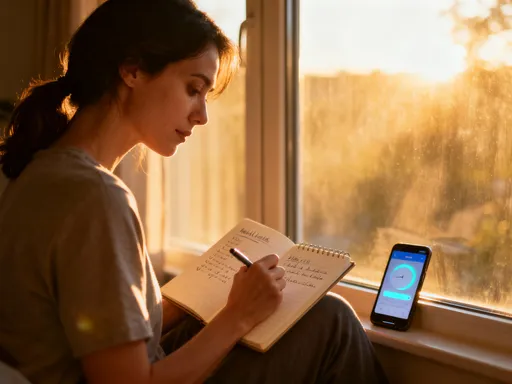
Keeping a simple log can help you see patterns over time. A journal entry doesn’t need to be detailed—just a few sentences about how you felt during your hobby, what you were able to do, and any changes you noticed. Voice notes work just as well, especially on days when writing feels like too much. Some people use a checklist system, marking off days they engaged in their hobby, not to create pressure, but to see their consistency at a glance. The goal isn’t perfection; it’s awareness.
It’s important to avoid comparing your progress to others. Recovery is deeply personal, influenced by age, injury type, overall health, and emotional resilience. What matters is your own journey. One person might regain full mobility in three months, another in nine—and both are successes. Focus on personal milestones: the first time you walked around the block, the day you lifted a grocery bag without help, the moment you realized you hadn’t thought about your injury all morning. These are the true markers of healing. Celebrating them reinforces the positive connection between effort and outcome, making it easier to keep going.
When to Adjust: Listening to Your Body Over Hype
Even the most enjoyable hobby should never cause pain. While some discomfort is normal during recovery, sharp or increasing pain is a red flag. So is persistent fatigue, irritability, or a sense of dread about doing the activity. These signals mean it’s time to reassess. Maybe the hobby needs to be modified—using lighter tools, reducing duration, or changing posture. Or perhaps it’s time to try something different altogether. Flexibility is not failure; it’s a sign of wisdom.
Adjusting your approach doesn’t mean giving up. It means honoring your body’s current needs. A woman who started painting to improve hand strength found that holding a brush caused wrist pain. Instead of pushing through, she switched to finger painting with thick, easy-to-grip materials. Her progress continued, and her enjoyment remained high. This kind of adaptability ensures that recovery stays sustainable and safe.
Throughout this process, professional guidance remains essential. A physical therapist can help you interpret your body’s signals and suggest modifications that keep you on track. They can also help you set realistic goals and ensure that your hobby complements your formal treatment plan. Self-led efforts are powerful, but they work best when combined with expert support. This balanced approach—personal initiative guided by medical insight—creates the most effective path to recovery.
Rehabilitation doesn’t have to be a grind. By blending therapy with personal joy, recovery becomes a journey of rediscovery. A hobby won’t replace medical care, but it can transform how you experience healing—one small, meaningful action at a time.