How I Finally Found My Balance – And Why It Changed Everything
We all assume balance is just about not falling over—but it’s actually a core part of how we move, stay strong, and age well. I used to ignore it until a minor stumble made me rethink everything. Turns out, balance training isn’t just for athletes or older adults—it’s a game-changer for anyone who wants to feel more stable, confident, and in control. This is your no-jargon guide to understanding why balance matters and how simple daily moves can transform your body and mind.
The Hidden Crisis of Poor Balance
Most people don’t think about balance until they lose it. A misstep on a sidewalk, a near fall on stairs, or a sudden wobble while carrying groceries—these small moments can be alarming, yet they are often dismissed as one-off accidents. In reality, they may signal a deeper, growing issue: declining balance. This decline is more common than many realize, and it affects people well before old age. Sedentary lifestyles, prolonged sitting, and lack of varied movement weaken the body’s natural stability systems over time. Even women in their 30s and 40s who consider themselves active can experience subtle balance deficits, especially if their routines focus only on cardio or strength without coordination.
The consequences of poor balance go beyond occasional stumbles. Research shows that balance deterioration is a leading predictor of falls, particularly as we age. Falls are not just inconvenient—they are a major cause of injury, hospitalization, and loss of independence. According to public health data, one in four adults over 65 experiences a fall each year, and many of these incidents result in fractures, reduced mobility, or long-term fear of movement. But even before reaching older age, poor balance contributes to inefficient movement patterns, increased joint stress, and muscle fatigue. For example, someone with weak ankle stability may unknowingly place extra strain on their knees and hips with every step, accelerating wear and tear over time.
Modern life doesn’t help. Most daily routines involve flat, stable surfaces—office floors, sidewalks, gym machines—that don’t challenge the body’s balance systems. Our feet are confined in supportive shoes, our eyes are fixed on screens, and our movements are repetitive. This lack of sensory variety dulls the feedback loops the brain relies on to maintain equilibrium. Over time, the body becomes less responsive to shifts in terrain, changes in lighting, or unexpected movements. The result is a gradual erosion of physical confidence. Simple tasks like walking on a gravel path, stepping off a curb, or bending down to pick up an item become sources of hesitation. Recognizing this hidden crisis is the first step toward reclaiming control over how we move through the world.
What Balance Really Means (Beyond Standing on One Leg)
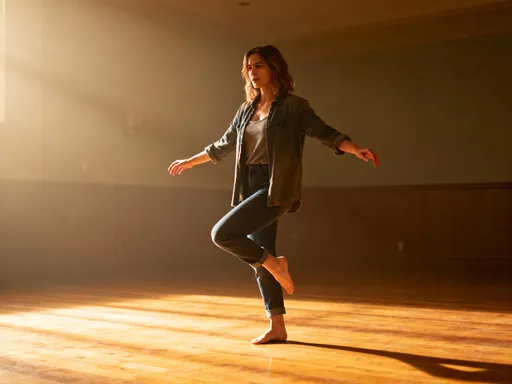
Balancing on one foot may be the most visible test of stability, but true balance is far more complex. It is not just a physical skill; it is a dynamic, whole-body process involving multiple systems working in harmony. At its core, balance is the ability to maintain your center of mass over your base of support, whether you're standing still, walking, or reaching for something on a high shelf. This requires constant communication between the brain and three key sensory systems: the vestibular system in the inner ear, the visual system, and the somatosensory system, which includes nerves in the skin, muscles, and joints that detect pressure, movement, and position.
The inner ear plays a crucial role by detecting motion and head orientation. Tiny fluid-filled canals and sensory hairs send signals to the brain about whether you’re moving forward, tilting, or rotating. Vision provides spatial awareness—knowing where you are in relation to your surroundings. And the somatosensory system, particularly in the feet and ankles, acts like a network of sensors that relay information about surface texture, slope, and stability. When these three systems are aligned and functioning well, the brain can make split-second adjustments to keep you upright. Think of it as a body GPS: it’s always tracking, always adjusting, and always recalibrating without you even noticing.
One of the most important yet underappreciated components of balance is proprioception—the body’s ability to sense where its parts are in space without looking. This is why you can touch your nose with your eyes closed or step onto a stair without watching your feet. Proprioception relies on nerve endings in muscles and joints that detect stretch, tension, and movement. When this system is sharp, movements are smooth and coordinated. But like any skill, it can weaken with disuse. Injuries, prolonged inactivity, or repetitive motions can dull proprioceptive feedback, making the body slower to respond to changes in balance. The good news is that this system is highly trainable. With the right exercises, the brain can relearn and refine these signals, restoring confidence and control in everyday movement.
Why Balance Training is a Health Game-Changer
Improving balance is not just about preventing falls—it’s about enhancing overall health and quality of life. Strong balance supports functional fitness, which refers to the ability to perform daily activities safely and efficiently. Whether you’re carrying heavy laundry up the stairs, playing with grandchildren at the park, or navigating a crowded store, good balance makes these tasks easier and safer. It reduces the risk of injury by improving coordination, reaction time, and joint stability. For women managing busy households, this means more energy, less fatigue, and greater physical resilience in the face of daily demands.
Beyond physical benefits, balance training strengthens the mind-body connection. The focus required to maintain stability—such as holding a pose on an uneven surface—engages attention and mental clarity. This mindful movement has been linked to improved concentration and reduced stress. Studies in movement science show that people who engage in regular balance exercises report feeling more grounded, both physically and emotionally. The act of tuning into subtle shifts in weight and posture fosters a deeper awareness of the body, which can enhance posture, reduce tension, and promote better breathing patterns.
For active individuals, balance training also boosts athletic performance. Runners with better balance tend to have more efficient strides and fewer overuse injuries. Dancers, hikers, and fitness enthusiasts find that improved stability allows for greater control and precision in their movements. Even strength training becomes more effective when balance is integrated—exercises like single-leg squats or standing shoulder presses require core engagement and coordination, leading to more comprehensive muscle activation. Over time, this leads to a stronger, more resilient body that moves with grace and confidence, regardless of age or fitness level.
Common Myths That Hold People Back
Despite its benefits, many women avoid balance training because of common misconceptions. One of the most persistent myths is that it’s only for older adults or those already experiencing mobility issues. In reality, balance is a skill that benefits everyone, regardless of age or fitness level. Starting early builds a strong foundation that pays off for decades. Another myth is that balance work is too difficult or requires special equipment. While tools like balance boards or foam pads can add variety, the most effective exercises often require nothing more than your body and a few minutes of time. Standing on one leg, walking heel-to-toe, or simply standing with feet close together are all effective ways to begin.
Some believe that being strong automatically means having good balance. While strength is important, it does not guarantee stability. A person can have strong legs but still struggle with coordination or joint control. Similarly, flexibility does not equal balance. Yoga and stretching improve range of motion, but they don’t necessarily train the rapid neuromuscular responses needed to recover from a stumble. Another misconception is that balance training takes too much time. In truth, just a few minutes a day—while brushing your teeth, waiting for the kettle to boil, or watching TV—can lead to noticeable improvements. The key is consistency, not duration.
There’s also a belief that if you haven’t fallen, your balance must be fine. But balance decline is often gradual and invisible until a challenge arises. You might manage well on flat ground but struggle on uneven terrain, in dim lighting, or when distracted. These are the moments when hidden weaknesses surface. The goal of balance training is not just to prevent falls, but to build confidence in all environments. By addressing these myths, women can shift their mindset and see balance not as a chore, but as an essential, empowering part of self-care.
The Foundation: Simple Daily Habits That Build Stability
The best way to start improving balance is by integrating small, manageable habits into daily life. These micro-movements may seem too simple to make a difference, but their cumulative effect is powerful. The principle is neuroplasticity—the brain’s ability to adapt and strengthen neural pathways with repetition. Each time you challenge your balance, even slightly, you’re sending signals that sharpen coordination and improve response time. The beauty of these habits is that they require no extra time or equipment. They fit seamlessly into routines you already follow.
One of the easiest starting points is standing on one leg while performing routine tasks. Try it while brushing your teeth, washing dishes, or waiting in line. Begin with 15 to 30 seconds per side and gradually increase as stability improves. This simple act strengthens the ankle stabilizers, engages the core, and enhances proprioception. Another effective habit is heel-to-toe walking—placing one foot directly in front of the other, as if walking on a tightrope. This can be done down a hallway or across a room. It challenges balance by narrowing the base of support and improving coordination between the lower body and brain.
Another powerful technique is using unstable surfaces in everyday settings. For example, standing on a folded towel or cushion while folding laundry activates small stabilizing muscles in the feet and ankles. Even sitting on a stability ball instead of a chair while working at a desk can engage core muscles and promote subtle balance adjustments. These small changes introduce variability into movement, which the body needs to stay adaptable. The goal is not perfection, but awareness—learning to notice shifts in weight, correct wobbles, and regain control. Over time, these habits build a subconscious foundation of stability that supports every movement.
Progressing Safely: From Basics to Functional Challenges
Once foundational balance skills are established, it’s important to progress in a safe and structured way. The goal is to gradually increase difficulty while maintaining confidence and control. Progression doesn’t mean rushing into advanced poses or unstable platforms—it means adding small challenges that continue to stimulate the nervous system. The key is to move at your own pace, using support when needed and listening to your body’s feedback.
One effective way to level up is by adding movement to static balance holds. For example, after mastering standing on one leg, try raising the opposite arm or extending the leg slightly forward. These movements shift the center of mass and require greater core engagement. Closing the eyes is another powerful progression, as it removes visual input and forces the body to rely more on inner ear and joint feedback. This should always be done near a wall or sturdy chair for safety. Even a few seconds with eyes closed can significantly enhance proprioception.
Using tools like balance pads, foam blocks, or wobble boards introduces controlled instability. These surfaces mimic real-world conditions like walking on sand or grass, preparing the body for unpredictable terrain. A simple routine might include standing on a foam pad for 30 seconds, then shifting weight side to side or rotating the torso gently. For those who enjoy walking, adding balance challenges to outdoor strolls—such as walking on a curb or stepping over low obstacles—can make exercise more functional and engaging. The focus should always be on control, not speed. Each movement should be deliberate, with attention to posture, alignment, and breathing.
Safety is paramount during progression. Never push to the point of instability or discomfort. If you feel shaky or unsteady, return to a simpler version or use support. The nervous system learns best through repetition in a safe environment, not through strain or fear. Over time, these progressive challenges build resilience, coordination, and confidence, making everyday movements feel easier and more secure.
Making Balance a Lifelong Practice
Balanced living is not a destination—it’s a continuous journey of awareness and adaptation. Just as we maintain strength, flexibility, and heart health throughout life, balance deserves the same consistent attention. The habits started today lay the groundwork for greater independence, mobility, and confidence in the years ahead. The goal is not to achieve perfect stillness, but to cultivate a body that responds quickly, adjusts smoothly, and moves with assurance in any situation.
One of the most powerful shifts comes from changing how we view balance. It’s not just an exercise to check off a list; it’s a form of daily self-awareness. Each time you stand on one foot, walk mindfully, or adjust your posture, you’re reinforcing a connection between mind and body. This awareness extends beyond physical stability—it influences posture, reduces tension, and promotes a sense of calm. Women who practice balance regularly often report feeling more present, more grounded, and more in tune with their physical selves.
The long-term benefits are profound. Research in aging and mobility consistently shows that individuals who maintain balance training are more likely to preserve independence, avoid falls, and stay active in later life. But the rewards aren’t limited to older age. At any stage, improved balance enhances quality of life—making it easier to play with children, travel, garden, or simply move through the day with ease. And the time commitment is minimal. Just five to ten minutes a day, practiced consistently, can lead to noticeable improvements within weeks.
The journey to better balance begins with a single step—literally. It starts with noticing how you stand, how you walk, how you shift your weight. It grows with small, daily choices that prioritize stability and awareness. No matter your age, fitness level, or past experience, your body is capable of change. Balance is not a skill reserved for the young or the athletic. It is a fundamental human ability, one that can be nurtured, strengthened, and enjoyed at every stage of life. By making it a lifelong practice, you invest in a future of strength, confidence, and freedom of movement.