How I Fixed My Sleep Without Pills — Just Movement and Mindset
Struggling with restless nights, I finally found a natural way to improve my sleep quality — not through medication, but with a simple, daily exercise plan. It wasn’t overnight, but within weeks, I fell asleep faster and woke up refreshed. If you’re tired of counting sheep, this real-life approach might be what you’ve been missing. What began as a personal experiment — just 20 minutes of walking and stretching each day — turned into a life-changing shift. I no longer dread bedtime or rely on sleep aids. Instead, I’ve learned how movement and mindset work together to support deep, restorative rest. And the best part? It’s accessible to anyone, regardless of fitness level or schedule.
The Sleep Struggle: A Modern Epidemic
Sleep problems affect millions of adults worldwide, especially women over 30. Many find themselves lying awake at night, their minds racing with the day’s unresolved tasks or tomorrow’s looming responsibilities. Others fall asleep easily but wake up multiple times, never reaching that deep, uninterrupted rest. By morning, they feel as tired as when they went to bed. This isn’t just about fatigue — poor sleep impacts mood, weakens focus, and over time, increases the risk of chronic conditions like high blood pressure, type 2 diabetes, and weakened immunity.
Sleep is not a passive state. It’s an active process during which the body repairs tissues, consolidates memories, and balances hormones. A full sleep cycle includes four stages: light sleep, deeper slow-wave sleep, and REM (rapid eye movement) sleep, which is crucial for emotional regulation and cognitive function. These cycles repeat four to six times per night, ideally lasting about 90 minutes each. When any part of this cycle is disrupted — by stress, poor habits, or inactivity — the entire system suffers.
One of the most common causes of poor sleep is a sedentary lifestyle. Many adults spend the majority of their day sitting — at work, during commutes, and in the evening while relaxing. This lack of physical movement signals to the body that energy hasn’t been expended, making it harder to wind down. The brain doesn’t receive the natural cues that it’s time to rest. Without these signals, the transition from wakefulness to sleep becomes strained, leading to prolonged sleep onset and fragmented rest.
What’s more, modern life often overloads the nervous system. Constant notifications, screen exposure, and emotional stress keep cortisol — the stress hormone — elevated. High cortisol levels interfere with melatonin, the hormone that regulates sleep-wake cycles. This imbalance makes it harder to fall asleep and stay asleep. While many turn to sleep aids, these often come with side effects and don’t address the root causes. A more sustainable solution lies in daily habits that support the body’s natural rhythms — starting with movement.
Why Exercise Actually Works for Sleep
Physical activity is one of the most powerful, yet underused, tools for improving sleep. Unlike medication, which may mask symptoms, exercise helps correct the underlying imbalances that disrupt rest. The science is clear: regular movement influences key biological processes that regulate sleep. One of the most important is adenosine, a chemical that builds up in the brain during waking hours. The more active you are, the more adenosine accumulates, creating a natural pressure to sleep. This is why we feel drowsy after a long day — our bodies are signaling the need for recovery.
Exercise accelerates this process. When you engage in physical activity, your brain uses more energy, increasing adenosine production. This buildup makes it easier to fall asleep and helps you enter deep sleep more quickly. At the same time, movement helps regulate melatonin. Exposure to natural light during outdoor exercise, especially in the morning, reinforces the body’s circadian rhythm — the internal clock that tells you when to be awake and when to rest. This synchronization makes sleep more predictable and restful.
Beyond chemistry, exercise also reduces psychological barriers to sleep. Stress and anxiety are among the top reasons people struggle at bedtime. Physical activity acts as a natural stress reliever by lowering cortisol and increasing endorphins — mood-boosting chemicals that promote relaxation. Whether it’s a brisk walk, a gentle yoga session, or gardening, movement helps quiet the mind. It provides a mental break from daily pressures, allowing thoughts to settle before bedtime.
Additionally, exercise improves overall sleep architecture — the structure and pattern of sleep stages. Studies show that people who are physically active spend more time in deep sleep, the most restorative phase. They also experience fewer nighttime awakenings and report feeling more refreshed in the morning. The effects are not limited to intense workouts; even moderate activity, when done consistently, can lead to significant improvements. The key is regularity, not intensity. Over time, the body learns to associate movement with recovery, creating a natural feedback loop that supports better sleep.
My Personal Routine: What I Actually Do Every Day
When I first decided to improve my sleep through movement, I didn’t start with a strict regimen or a gym membership. I began with what felt manageable: a 20-minute walk each morning. I chose the morning because it fit my schedule and gave me access to daylight, which helps regulate my internal clock. I walked around my neighborhood, sometimes listening to a podcast, other times just observing the trees and birds. Within a week, I noticed I felt more alert during the day and less restless at night.
After two weeks, I added light strength training three times a week. I used resistance bands and bodyweight exercises like squats, wall push-ups, and seated rows. These required no special equipment and could be done in my living room while my children were at school. I kept the intensity low to moderate — enough to feel my muscles working but not so much that I felt sore or exhausted. The goal wasn’t to build muscle but to signal to my body that I had been active, encouraging deeper rest later.
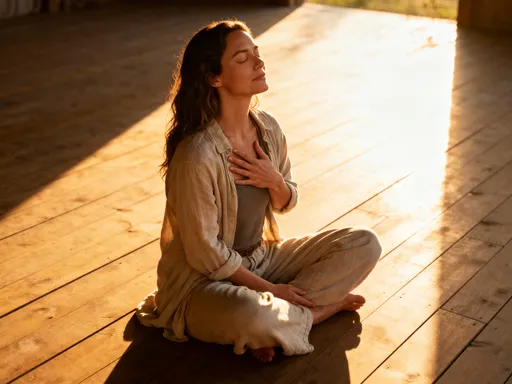
In the evenings, I incorporated gentle stretching and breathing exercises. I found a simple 10-minute routine online that focused on the neck, shoulders, lower back, and hips — areas where I tend to hold tension. I did this after dinner, before turning on the TV. The combination of slow movement and focused breathing helped me transition from the busyness of the day to a calmer state. Over time, this became a signal to my body that bedtime was approaching.
I also paid attention to timing. I avoided vigorous activity within three hours of bedtime, as it sometimes made me feel too alert. Instead, I reserved intense movement for the morning or early afternoon. On days when I couldn’t walk outside, I did a short indoor circuit — marching in place, arm circles, and seated leg lifts. The key was consistency. Even on busy days, I committed to at least 15 minutes of movement. This small daily effort created a rhythm that my body began to expect and respond to.
Timing Matters: When to Move for Better Rest
The benefits of exercise depend not only on what you do but when you do it. Research shows that the timing of physical activity can influence sleep quality in meaningful ways. Morning exercise, especially when combined with natural light exposure, helps anchor the circadian rhythm. It signals to the brain that the day has begun, which in turn strengthens the contrast between wakefulness and sleep. This makes it easier to fall asleep at night and improves the overall consistency of sleep patterns.
Afternoon workouts can also be beneficial. Exercising between 2 p.m. and 4 p.m. may help lower body temperature in the evening — a natural cue for sleep onset. When you exercise, your body temperature rises, and the subsequent drop a few hours later mimics the natural cooling process that occurs before bedtime. This temperature shift can promote drowsiness and support deeper sleep. For people with office jobs or school schedules, a post-work or post-lunch walk can be a practical way to incorporate movement without disrupting family time.
Evening exercise is more complex. While moderate activity like stretching or yoga can support relaxation, intense workouts — such as running, high-intensity interval training, or heavy lifting — may interfere with sleep for some individuals. These activities elevate heart rate and adrenaline, which can take time to normalize. If done too close to bedtime, they may delay sleep onset or reduce sleep quality. However, responses vary. Some people find that evening exercise helps them unwind, especially if it’s part of a calming routine. The key is to observe how your body responds and adjust accordingly.
For those with irregular schedules, the goal is flexibility. Shift workers, parents with young children, or caregivers can still benefit from movement by breaking it into smaller sessions. Three 10-minute walks throughout the day can be just as effective as one 30-minute session. The important thing is to create a pattern that fits your life. Over time, your body will begin to associate regular movement with recovery, making it easier to fall into a natural sleep rhythm.
Types of Exercise That Help — And Which Ones Don’t
Not all forms of exercise have the same impact on sleep. Research consistently shows that moderate aerobic activity has the strongest link to improved sleep quality. Brisk walking, cycling, swimming, or dancing at a steady pace increases heart rate without causing excessive strain. These activities boost circulation, reduce stress, and promote the release of sleep-supporting chemicals. A study published in the journal Sleep Medicine found that adults who engaged in regular moderate aerobic exercise reported falling asleep 13 minutes faster and sleeping 18 minutes longer on average.
Resistance training also plays a valuable role. Light to moderate strength exercises help build muscle, improve metabolism, and enhance overall energy balance. They contribute to the accumulation of physical fatigue, which supports deeper sleep. However, the timing and intensity matter. Heavy lifting or intense training close to bedtime may be counterproductive for some, especially if it leads to physical discomfort or mental stimulation. When done earlier in the day, strength training becomes a supportive element of a sleep-friendly routine.
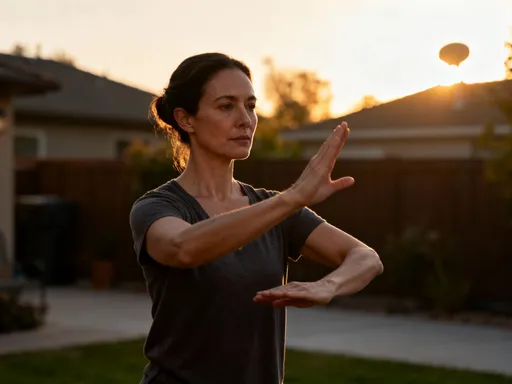
Yoga and mind-body practices are particularly effective for sleep. These combine gentle movement with breath awareness and mental focus, creating a dual benefit. Physically, they release muscle tension; mentally, they calm the nervous system. Studies show that regular yoga practice reduces insomnia symptoms and improves sleep efficiency — the percentage of time spent asleep while in bed. Even 10 to 15 minutes of stretching or deep breathing before bed can signal the body to shift into rest mode.
On the other hand, overtraining can harm sleep. Excessive exercise, especially without adequate recovery, increases cortisol and can lead to physical and mental fatigue that disrupts rest. Athletes and highly active individuals sometimes experience poor sleep due to overexertion. The same applies to sudden increases in activity level. Starting too fast or pushing too hard can backfire, making it harder to relax at night. The goal is sustainable, enjoyable movement — not exhaustion. Listening to your body and adjusting intensity is essential for long-term success.
Pairing Movement with Other Sleep-Friendly Habits
Exercise is a powerful catalyst, but it works best as part of a broader lifestyle approach. Sleep is influenced by multiple factors, and improving it requires a holistic strategy. One of the most important companions to physical activity is light management. Exposure to bright light during the day, especially in the morning, strengthens circadian rhythms. Conversely, reducing blue light exposure in the evening — from phones, tablets, and televisions — helps the brain produce melatonin naturally. Simple changes like using dim lights at night and avoiding screens for at least an hour before bed can make a noticeable difference.
Caffeine intake is another critical factor. While many enjoy coffee or tea in the morning, consuming caffeine too late in the day can interfere with sleep. It has a half-life of about 5 to 6 hours, meaning it stays in the system long after consumption. For sensitive individuals, even an afternoon cup can delay sleep onset. Limiting caffeine to the morning and switching to herbal tea or water in the afternoon supports better rest. Staying hydrated throughout the day is also important, but reducing fluid intake in the evening can prevent nighttime awakenings for bathroom trips.
Consistency in sleep and wake times reinforces the body’s internal clock. Going to bed and waking up at the same time every day — even on weekends — helps regulate sleep cycles. This consistency makes it easier to fall asleep and wake up naturally. Creating a bedtime routine, such as reading, journaling, or gentle stretching, signals to the body that it’s time to wind down. A comfortable sleep environment — cool, quiet, and dark — further supports uninterrupted rest.
When combined with regular movement, these habits create a powerful synergy. Exercise increases the drive to sleep, while good sleep hygiene ensures the body can respond effectively. Together, they form a self-reinforcing cycle: better sleep leads to more energy, which makes it easier to stay active, which in turn supports better sleep. This positive feedback loop can transform rest from a struggle into a natural part of daily life.
Realistic Expectations and Long-Term Success
Improving sleep through movement is not an overnight fix. Most people begin to notice changes within two to four weeks of consistent effort. At first, the improvements may be subtle — falling asleep a few minutes faster, waking up less often, or feeling slightly more alert in the morning. These small gains build over time, leading to more significant and lasting results. The key is patience and persistence. It’s easy to become discouraged if results don’t appear immediately, but sustainable change takes time.
Consistency matters more than perfection. Missing a day or having an occasional restless night doesn’t undo progress. What matters is the overall pattern. Think of movement as a long-term investment in your health, not a short-term solution. Even on days when motivation is low, doing a little is better than doing nothing. A 10-minute walk, a few stretches, or a few minutes of deep breathing still contribute to the body’s natural rhythms.
It’s also important to listen to your body. Not every type of exercise will work for everyone. Some may find walking soothing, while others prefer yoga or gardening. The best routine is one that feels enjoyable and sustainable. If pain, fatigue, or injury occurs, it’s essential to adjust or seek guidance. Physical activity should support well-being, not cause harm.
Finally, it’s important to recognize when professional help is needed. While lifestyle changes can significantly improve sleep, persistent insomnia or sleep disturbances may indicate an underlying medical condition. Sleep apnea, restless legs syndrome, or hormonal imbalances require evaluation by a healthcare provider. Movement and mindset are powerful tools, but they complement — not replace — medical care. If sleep problems continue despite consistent efforts, consulting a doctor is a wise and responsible step.
Improving sleep isn’t about perfection — it’s about progress. By making movement a daily rhythm, not a chore, you’re not just training your body, but reprogramming your rest. This approach isn’t flashy, but it’s proven, natural, and within reach. The best part? You don’t need gear, apps, or extreme willpower — just the willingness to get up and go. Over time, better sleep becomes less of a goal and more of a habit — one step at a time.