How I Balanced My Mouth and Mind Without Overthinking It
Oral health isn’t just about avoiding cavities—it’s linked to how we feel mentally and emotionally. I used to ignore my teeth until stress made everything worse. What I discovered wasn’t a miracle fix, but a real shift: small, daily choices that supported both my mouth and mindset. Turns out, how you brush, breathe, and respond to discomfort can quietly reshape your psychological balance. This is what actually worked for me.
The Hidden Connection Between Teeth and Mental State
For years, oral health was something many people treated as separate from overall wellness—something to address only when pain or visible damage occurred. But emerging research shows that the mouth is far more than a collection of teeth; it’s a window into the body’s internal environment, particularly the brain. Chronic gum disease, also known as periodontitis, has been associated with increased levels of systemic inflammation. This inflammation doesn’t stay confined to the gums—it travels through the bloodstream and can reach the brain, potentially influencing mood regulation and cognitive function. Studies have found correlations between poor oral health and higher risks of anxiety, depression, and even memory decline, suggesting that what happens in the mouth may echo in the mind.
The connection works both ways. Just as gum disease can affect mental health, psychological stress can worsen oral conditions. When under prolonged stress, the body produces more cortisol, a hormone that, in excess, suppresses the immune system and increases inflammation. This creates a perfect environment for harmful bacteria to thrive in the mouth, accelerating gum deterioration and tooth decay. Many people notice more canker sores, bleeding gums, or sudden sensitivity during difficult emotional periods. These are not coincidences but physiological signals of a deeper imbalance. The mouth and mind are in constant dialogue, each influencing the other in ways that are only now being fully understood.
What makes this connection especially important for women between 30 and 55 is the intersection of hormonal changes, caregiving responsibilities, and personal health management. This demographic often prioritizes family needs over their own, pushing routine dental visits aside. Yet, during hormonal fluctuations such as those in perimenopause, the gums can become more sensitive and prone to inflammation. Ignoring oral symptoms during these years may unknowingly contribute to a cycle of low-grade stress and emotional fatigue. Recognizing that dental discomfort might not just be about plaque—but could reflect emotional strain—helps reframe self-care as both physical and psychological maintenance.
Why Stress Wears Down Your Teeth—Literally
Stress doesn’t just live in the mind; it settles into the body in tangible, often damaging ways. One of the most direct physical expressions of anxiety is bruxism, the medical term for teeth grinding or clenching. Many people do this unconsciously, especially during sleep, and wake up with jaw pain, headaches, or worn-down molars. Over time, this habit can lead to cracked teeth, damaged enamel, and even changes in facial structure. The temporomandibular joint (TMJ), which connects the jaw to the skull, becomes strained, leading to chronic discomfort that further amplifies stress—a true feedback loop.
Beyond grinding, stress also affects the mouth’s internal environment. Saliva, often overlooked, plays a crucial role in maintaining oral balance. It neutralizes acids, washes away food particles, and contains enzymes that fight harmful bacteria. When cortisol levels rise, saliva production decreases, leading to dry mouth. A dry mouth creates an ideal breeding ground for bacteria, increasing the risk of cavities and gum disease. Additionally, stress can alter the natural pH balance in the mouth, making it more acidic and further weakening enamel. These changes happen silently, often without immediate pain, which means they go unnoticed until damage becomes visible.
Daily life adds to this burden. Long work hours, multitasking, and emotional strain keep the nervous system in a state of low-grade alertness. Many women in this age group report clenching their jaw while driving, working at a computer, or managing household demands. This constant tension not only affects dental health but also contributes to facial muscle fatigue and tension headaches. The body’s stress response, designed for short-term survival, becomes misaligned in modern life, where threats are emotional rather than physical. As a result, the jaw—which evolutionarily helped us chew tough foods or signal aggression—now bears the weight of unresolved emotions. Recognizing these physical signs as stress signals, rather than isolated dental issues, is the first step toward meaningful change.
Breaking the Cycle: Small Habits That Make a Difference
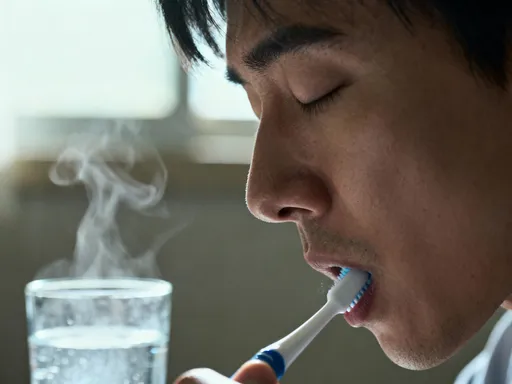
The good news is that this cycle can be interrupted—not through drastic overhauls, but through small, consistent actions. One of the most effective shifts is approaching oral care not as a mechanical chore, but as a mindful practice. Mindful brushing, for example, involves paying full attention to the sensations of brushing: the texture of the bristles, the taste of the toothpaste, the movement of the hand. This simple act, when done with presence, becomes a two-minute meditation. It pulls focus away from mental chatter and grounds the person in the present moment. Over time, this practice can reduce anxiety and improve gum health simultaneously.
Another subtle but powerful habit is tongue awareness. Many people carry tension not just in their jaw but in the tongue, pressing it too hard against the roof of the mouth or clenching it unconsciously. Learning to relax the tongue—letting it rest gently on the floor of the mouth with the tip just behind the front teeth—can ease jaw strain and improve breathing. This posture, known as “tongue rest position,” supports proper oral development and reduces TMJ stress. Practicing this awareness throughout the day, especially during moments of tension, helps break the habit of clenching.
Consistency matters more than intensity. A 30-second pause to check jaw tension, a deliberate swallow to reposition the tongue, or a slow, focused brushing session—these micro-moments accumulate. They don’t require extra time in a busy schedule but instead transform existing routines into opportunities for restoration. The key is to let go of perfection. You don’t need to meditate for 20 minutes or achieve flawless technique. Just showing up with gentle attention is enough. These habits aren’t about fixing problems overnight; they’re about cultivating a relationship with your body that honors both physical and emotional well-being.
Breathing Right to Relax Your Jaw and Mind
Breathing is something we do automatically, yet how we breathe has a profound impact on both oral and mental health. Mouth breathing, especially during the day or while sleeping, is more common than many realize—and it carries significant consequences. When we breathe through the mouth, the jaw tends to drop open, the tongue falls back, and the facial muscles slacken. Over time, this can contribute to poor jaw alignment, narrow airways, and even changes in facial structure. But beyond the physical, mouth breathing keeps the body in a state of heightened alertness, activating the sympathetic nervous system—the “fight or flight” response.
In contrast, nasal breathing supports the parasympathetic nervous system, which governs relaxation and recovery. Breathing through the nose filters and humidifies air, increases oxygen uptake, and stimulates the production of nitric oxide, a molecule that helps dilate blood vessels and calm the nervous system. When nasal breathing becomes habitual, it naturally encourages the tongue to rest in the correct position, supports proper jaw development, and reduces snoring and sleep apnea risks. For women managing stress, hormonal shifts, or sleep disruptions, this simple shift in breathing can be transformative.
Practicing conscious breathwork doesn’t require special training. Start by checking your breathing posture: lips gently closed, teeth slightly apart, tongue resting on the roof of the mouth. During daily activities—waiting in line, washing dishes, or reading—take a few slow, deep breaths through the nose. Inhale for four counts, hold for four, exhale for six. This extended exhale signals safety to the brain, lowering heart rate and reducing tension. Over time, this practice can become automatic, especially when paired with routine activities like brushing teeth or applying skincare. The result is not just better oxygenation but a calmer mind and a relaxed jaw—two benefits that reinforce each other.
What Your Routine Isn’t Telling You
Most people follow a standard oral care routine: brush twice a day, floss, maybe use mouthwash. But not all routines are created equal, and some habits, though well-intentioned, can do more harm than good. Overbrushing, for instance, is a common issue. Some individuals brush aggressively, believing that harder pressure removes more plaque. In reality, this can wear down enamel and irritate the gums, leading to recession and sensitivity. This behavior often stems from a sense of urgency or perfectionism—trying to “fix” or “control” oral health through force. But the mouth responds better to gentleness than aggression.
Similarly, obsessive flossing or repetitive checking of the teeth in the mirror can become compulsive, especially under stress. These behaviors may provide temporary relief but often reflect underlying anxiety. When self-care turns into a source of pressure, it defeats its own purpose. The goal isn’t spotless teeth but sustainable, balanced habits that support long-term health without causing emotional strain. Shifting from a mindset of correction to one of care can make a significant difference.
A more intentional approach includes using a soft-bristled brush, applying light pressure, and focusing on coverage rather than force. Electric toothbrushes with pressure sensors can help prevent overbrushing by alerting the user when too much force is applied. Flossing should be gentle and consistent, not rushed or aggressive. And instead of scrutinizing the teeth for flaws, try ending the routine with a moment of gratitude—for the ability to care for your body, for the strength of your teeth, for the simple act of showing up. This subtle shift in perspective transforms oral care from a task into a ritual of self-respect.
Food, Mood, and the Mouth Connection
Diet plays a dual role in both oral and mental health. What we eat directly affects the microbiome of the mouth—the community of bacteria that live on the tongue, gums, and teeth. A diet high in sugar and refined carbohydrates feeds harmful bacteria, leading to plaque buildup, cavities, and inflammation. But sugar doesn’t just harm teeth; it also affects the brain. Rapid spikes and crashes in blood sugar can lead to irritability, fatigue, and difficulty concentrating—symptoms that mimic or worsen anxiety and low mood.
Processed foods, common in busy lifestyles, often contain hidden sugars, unhealthy fats, and inflammatory additives. These contribute not only to dental decay but also to systemic inflammation, which, as previously discussed, can impact mental well-being. In contrast, whole foods—vegetables, fruits, nuts, seeds, lean proteins, and healthy fats—support a balanced oral microbiome and stable brain chemistry. Crunchy vegetables like carrots and celery naturally clean the teeth while stimulating saliva production. Foods rich in omega-3 fatty acids, such as salmon and walnuts, reduce inflammation in both the gums and the brain. Probiotic-rich foods like yogurt and fermented vegetables support beneficial bacteria in the gut and mouth, creating a more resilient internal environment.
Hydration is equally important. Water helps maintain saliva flow, washes away food particles, and supports detoxification. Many women in this age group struggle with dry mouth, especially during hormonal transitions or while taking certain medications. Drinking enough water throughout the day—not just with meals—can make a noticeable difference in comfort and oral balance. Simple swaps, like choosing herbal tea over sugary drinks or snacking on almonds instead of cookies, can have ripple effects on both dental and emotional health. These choices aren’t about restriction but about building resilience from the inside out.
When to Seek Help: Knowing the Limits of Self-Care
While daily habits are powerful, they are not a substitute for professional care. There comes a point when self-management needs to be supplemented with expert support. If you experience persistent jaw pain, frequent headaches, significant tooth wear, or signs of gum disease such as bleeding, swelling, or receding gums, it’s important to see a dentist. These symptoms may require interventions such as a night guard for bruxism, deep cleaning for gum disease, or orthodontic evaluation for jaw alignment issues.
Similarly, if stress, anxiety, or low mood feel overwhelming, reaching out to a mental health professional is a sign of strength, not weakness. Emotional well-being is just as vital as physical health, and the two are deeply intertwined. A therapist can help identify patterns of stress, develop coping strategies, and provide support during challenging life transitions. Some dental professionals now collaborate with holistic health providers, recognizing that comprehensive care includes both mouth and mind.
Asking for help is not failure—it’s an act of courage and self-awareness. Women who spend years caring for others often forget to extend that compassion to themselves. Making an appointment, whether for a dental check-up or a therapy session, is a declaration that your health matters. It’s a step toward balance, not just in the mouth or the mind, but in the whole self. True wellness isn’t about doing everything perfectly on your own; it’s about knowing when to lean on support and trusting that care is always available.
True oral health goes beyond a bright smile—it’s about creating inner harmony. By treating the mouth as part of a whole system, not an isolated problem zone, we foster balance that radiates outward. The habits that heal teeth can also calm the mind, proving that sometimes, the smallest routines carry the deepest impact.