How I Turned My Hobby Into a Smart Investment—Without Losing My Shirt
What if your weekend passion could actually make money instead of just spending it? I used to treat my hobbies like pure entertainment—until I realized they could be financial opportunities in disguise. But diving in blind almost cost me big time. After burning cash on overpriced gear and chasing trends, I learned the hard way that hobbies aren’t just about fun—they come with real financial risks. I bought limited-edition cameras, vintage records, and artisan tools, believing their value would grow. Instead, I watched many sit unused, depreciating in storage. The turning point came when I started tracking every dollar spent and asking one simple question: Is this purchase an investment in joy, or could it also be an investment in my future? Here’s how I shifted from reckless hobby spending to a disciplined approach that honors both my passions and my finances—turning something I love into a smarter, more rewarding part of my financial life.
When Passion Meets Portfolio: The Hidden Financial Side of Hobbies
For most people, hobbies are a refuge from the stress of daily life—a place where money is spent freely for the sake of joy. Yet beneath the surface of this emotional spending lies a quiet financial potential that often goes unnoticed. A woodworking enthusiast might build a table not just for personal satisfaction, but one that could later sell for hundreds. A photography hobbyist might upgrade gear, only to discover the previous model retains strong resale value. The key insight is this: not all hobby spending is consumption. Some purchases carry the quiet potential to appreciate, generate income, or reduce future costs—making them more akin to investments than expenses.
This duality is what makes hobby-related finances so complex. Unlike stocks or real estate, where value is measured in clear metrics, the worth of a hobby item is often tied to personal emotion and community trends. A vintage guitar may mean little to one person but be priceless to a collector. This emotional weight can cloud judgment, leading people to overvalue what they own or overpay for what they desire. However, when approached with awareness, these same items can become strategic assets. The difference lies in intention. When you begin to see your hobby not just as a source of enjoyment but as a potential contributor to financial health, you start asking different questions. Can this item be resold later? Does it help me develop a marketable skill? Will it save me money in the long run by replacing a service I’d otherwise pay for?
Real-world examples illustrate this shift. Consider someone who collects high-end fountain pens. At first glance, it’s a niche interest with no obvious return. But within certain communities, rare models from established brands can double or triple in value over time, especially if kept in mint condition. Similarly, a home baker who invests in quality equipment might eventually sell custom cakes at local markets, turning a personal joy into a modest income stream. Even digital hobbies, like learning photo editing or video production, can lead to freelance opportunities. The common thread is not that every hobby will generate profit, but that every hobby presents financial decisions—choices that, when made wisely, can align passion with practicality.
The challenge, of course, is separating the fleeting from the enduring. A limited-run sneaker might spike in price for a few months, only to crash when the next trend emerges. A popular craft kit may lose appeal once the novelty wears off. This is where financial discipline becomes essential. Viewing your hobby through an investment lens doesn’t mean eliminating fun—it means enhancing it with foresight. By recognizing that some hobby expenditures have the potential to yield returns, you begin to treat them not as automatic purchases, but as opportunities to evaluate risk, value, and long-term benefit. This mindset shift is the foundation of turning passion into a smart financial move.
The Risk Trap: Why Most Hobbyists Lose Money Without Realizing It
Passion can be a powerful motivator, but it can also be a financial blind spot. Most hobbyists don’t lose money because they’re careless—they lose it because they’re unaware. They buy what they love without considering depreciation, resale difficulty, or hidden costs. A classic example is the collector who pays top dollar for a limited-edition item simply because it’s marketed as rare. The excitement of ownership overshadows the reality that scarcity alone doesn’t guarantee value. Without demand, even the rarest item is just an expensive paperweight. This emotional decision-making is the root of many financial setbacks in the hobby world.
One of the most common pitfalls is buying at peak hype. Whether it’s a new camera model, a designer toy drop, or a trending craft supply, prices often surge during launch periods. Enthusiasts eager to be first in line end up paying well above market value. Months later, when the frenzy fades, resale platforms are flooded with the same items at a fraction of the price. The early buyer isn’t just out money—they’ve lost time value as well. Another trap is ignoring maintenance and storage costs. A vintage motorcycle may seem like a fun project, but fuel, insurance, garage space, and restoration work can quickly add up. What started as a $5,000 purchase might end up costing twice that in upkeep, with no guarantee of appreciation.
Marketing tactics also play a role in distorting perception. Terms like “limited edition,” “exclusive release,” or “collector’s item” are designed to trigger urgency and elevate perceived value. Yet many of these items are mass-produced with only minor variations, making them far less rare than advertised. Without researching past resale data or understanding the size of the collector base, buyers risk investing in products that will never gain traction. Additionally, many hobbyists fail to consider liquidity—the ease with which an item can be sold. A handmade quilt may be beautiful and meaningful, but finding a buyer willing to pay a premium can take months, if not years. This lack of market fluidity increases the risk of being stuck with an illiquid asset.
The contrast between emotional and strategic buying is best illustrated through a simple comparison. Imagine two collectors interested in analog photography. The first sees a newly released film camera advertised as a “must-have for enthusiasts” and buys it immediately for $1,200. The second waits, monitors resale prices on trusted platforms, and joins online communities to assess demand. Six months later, they purchase the same model in excellent condition for $700 from someone who overpaid. The second buyer not only saves money but enters the market with a clearer understanding of value. The lesson is clear: unchecked passion leads to avoidable losses. Profitable hobby investing begins not with desire, but with discipline, research, and patience.
Building Your Hobby Investment Mindset: From Consumer to Strategist
Transforming from a passive consumer to an active strategist requires a shift in mindset—one that balances enjoyment with intention. This doesn’t mean eliminating emotional purchases altogether, but rather introducing a framework for evaluating them. Every hobby-related purchase becomes an opportunity to ask: Will this bring lasting joy? Does it have potential for resale or reuse? Can it help me build a skill that might generate income? These questions don’t kill passion; they protect it by ensuring that financial strain doesn’t turn a beloved pastime into a source of stress.
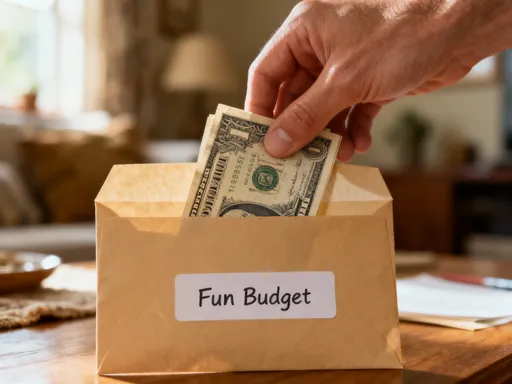
A strategic approach starts with setting personal financial rules. One effective method is the 30-day waiting rule: before making any purchase above a certain threshold—say, $200—you wait one month. During that time, you research the item’s resale history, read user reviews, and assess whether your interest remains strong. This cooling-off period helps filter out impulse buys driven by temporary excitement. Another key practice is establishing a monthly hobby budget. By allocating a fixed amount—such as $150—you create boundaries that prevent overspending while still allowing room for exploration. If you want to buy something expensive, you save for it gradually, turning the purchase into a planned investment rather than a financial shock.
Durability and versatility are also critical factors in strategic hobby spending. Instead of chasing the latest trend, prioritize items that are well-made, widely supported, and compatible with future upgrades. A high-quality sewing machine, for example, can last decades and adapt to different projects, making it more valuable over time than a series of cheaper, short-lived tools. Similarly, investing in foundational skills—like learning to repair instruments, edit photos, or restore furniture—increases your ability to maintain and enhance the value of your hobby assets. These skills not only extend the life of your purchases but also open doors to side income opportunities.
Community insight plays a vital role in this mindset shift. Engaging with experienced hobbyists through forums, local clubs, or social media groups provides real-world data on what holds value and what doesn’t. You learn which brands have a track record of appreciation, which accessories are truly useful, and which items are overpriced relative to performance. This collective wisdom acts as a safeguard against marketing hype and personal bias. Over time, you begin to see your hobby not as a series of isolated purchases, but as a portfolio of assets that can grow, evolve, and even contribute to your financial well-being. The goal is not to turn every hobby into a business, but to ensure that your spending reflects both your heart and your head.
Spotting Value vs. Hype: A Practical Filter for Smarter Spending
In the world of hobbies, not all popularity is equal. Some items gain lasting value because they meet real demand, offer superior quality, or occupy a unique niche. Others rise briefly on the wave of marketing and social media buzz, only to fade quickly. Learning to distinguish between genuine value and temporary hype is one of the most important skills for any hobbyist investor. This doesn’t require advanced financial training—just a consistent method for evaluating opportunities based on observable data rather than emotion.
One of the most reliable indicators of long-term value is secondary market performance. Before buying any high-cost item, check its resale history on established platforms. If a camera model consistently sells for 80% of its original price after two years, that’s a strong sign of retained value. If another model drops to 40% within months, it’s likely a depreciating asset. User communities also provide valuable signals. Active forums with long-running discussions, repair guides, and accessory support suggest a dedicated user base that helps sustain demand. In contrast, items with only short-term social media buzz and no ongoing community engagement are more likely to be fleeting trends.
Brand reputation and production consistency matter too. Companies known for quality control, customer support, and long product lifecycles tend to produce items that hold value better. For example, certain Japanese camera manufacturers and German tool brands have decades-long reputations for durability, making their used equipment highly sought after. Limited editions from these brands are more likely to appreciate than similar releases from less-established companies. Additionally, items with standardized parts or widespread compatibility—like lenses that fit multiple camera bodies or woodworking tools with common attachments—are more versatile and easier to resell.
Consider a real-life decision: choosing between two similar vintage audio receivers. One is heavily promoted on social media as a “rare find,” priced at a 50% premium. The other, slightly less flashy, has consistent resale prices, a large repair community, and interchangeable parts. The first may seem exciting, but the second offers lower risk and greater long-term utility. By using data—resale trends, user feedback, repair availability—you make a decision based on sustainability rather than sensation. This practical filter doesn’t guarantee profits, but it significantly reduces the chance of costly mistakes. Over time, this approach builds confidence, allowing you to enjoy your hobby with greater peace of mind.
Diversifying Your Passion Portfolio: Don’t Bet Everything on One Hobby
Putting all your hobby budget into a single interest might feel focused, but it’s also risky. If your enthusiasm fades, the market changes, or maintenance costs rise unexpectedly, you’re left with a collection of underused, hard-to-sell items. This is why diversification—the same principle used in traditional investing—applies just as well to hobby spending. By spreading your time and money across several low-cost interests, you reduce risk while increasing opportunities for discovery, skill development, and unexpected returns.
A diversified hobby portfolio doesn’t mean jumping from one thing to another without commitment. It means allocating resources wisely. For example, instead of spending $2,000 on a single high-end photography lens, you might invest $500 in a used camera, $300 in a beginner woodworking kit, $200 in art supplies, and keep the rest for future opportunities. This way, you explore multiple interests without overextending financially. If one hobby doesn’t resonate, you can scale back without major loss. If another takes off, you have the flexibility to reinvest in it gradually, based on real experience rather than initial excitement.
Diversification also enhances learning and creativity. Skills from one hobby often transfer to another. Woodworking improves spatial reasoning useful in model building. Photography teaches composition skills that benefit painting. Even digital hobbies like coding or audio editing can support physical ones by enabling you to create websites, edit videos, or design custom labels for handmade goods. This cross-pollination enriches the experience and increases the potential for monetization. Moreover, having multiple interests protects against burnout. When one activity feels tedious, switching to another keeps the sense of play alive.
Another advantage is the ability to repurpose or recycle gear. A sewing machine used for costume-making might later serve a quilting project. A set of power tools bought for shelving can be reused for outdoor furniture. This flexibility reduces waste and improves return on investment. Over time, you learn which hobbies bring both joy and value, allowing you to focus more deeply on those while keeping others as low-cost supplements. The result is a balanced, resilient hobby life—one that adapts to changing interests and market conditions without jeopardizing financial stability.
Monetizing Without Burnout: Turning Skills Into Side Gains
One of the most rewarding aspects of hobby investing is the potential to earn small but meaningful income without turning passion into pressure. The key is to approach monetization gently—focusing on low-effort, low-stress methods that complement, rather than consume, your enjoyment. Selling used gear in excellent condition is one of the simplest ways to recoup costs. Platforms make it easy to list items, and because you’ve already used them, you can speak knowledgeably about their condition and performance, increasing buyer trust.
Teaching basic skills online is another accessible option. If you’ve mastered knitting, calligraphy, or home brewing, you can create short video tutorials or digital guides and sell them through established marketplaces. These require a one-time effort but can generate passive income over time. Similarly, offering occasional workshops—either locally or via video call—allows you to share your knowledge without committing to a full-time side job. The goal isn’t to build a business, but to create a feedback loop where your hobby pays for itself.
Licensing your creations is another path. A photographer might license images for use in calendars or greeting cards. A crafter could sell designs to print-on-demand services. These models let you earn from your work without handling inventory or shipping. Even small earnings—$50 here, $100 there—add up over time and can cover future hobby expenses, creating a self-sustaining cycle. More importantly, they reinforce a sense of financial agency, showing that your skills have real-world value.
The most important rule in monetizing hobbies is setting boundaries. Decide in advance how much time you’ll dedicate to income-generating activities—perhaps just two hours a week. Avoid taking on clients or projects that feel like chores. If an opportunity starts to drain your joy, pause or step back. The purpose is to enhance your hobby, not replace it with work. When done thoughtfully, monetization doesn’t kill passion—it deepens it by proving that what you love can also support you.
The Long Game: Tracking, Adjusting, and Knowing When to Walk Away
Sustainable hobby investing isn’t about making a quick profit—it’s about building a balanced, long-term relationship between passion and prudence. To maintain this balance, regular review is essential. A simple hobby ledger—recording every purchase, sale, and related expense—provides clarity on where your money goes. Once a year, conduct a value audit: assess which items have appreciated, which skills have led to income, and which activities still bring joy. This reflection helps you identify what’s working and what’s not, allowing for informed adjustments.
Sometimes, the smartest financial move is to walk away. If a hobby no longer excites you, or if its costs consistently outweigh its benefits, it’s okay to let it go. Selling gear in good condition, donating supplies, or gifting tools to someone who will use them allows you to recover value and free up space—both physical and financial. Exiting gracefully isn’t failure; it’s wisdom. It makes room for new interests and prevents emotional attachment from trapping you in a losing situation.
The ultimate goal is not to maximize returns, but to preserve both money and passion over time. When you manage your hobbies with care, they become more than distractions—they become sources of resilience, creativity, and quiet financial strength. By applying principles of risk control, strategic spending, and thoughtful monetization, you turn something you love into a lasting asset. In the end, the most successful hobby investors aren’t those who make the most money, but those who enjoy their passions longer, spend smarter, and live with greater confidence.