How I Assess Risk Before Every Move—Market Smarts That Actually Work
Every investor fears losing money—but few know how to spot danger before it hits. I learned the hard way, watching my portfolio wobble during a sudden market swing. That scare changed my approach forever. Now, I dig into market signals, stress-test my choices, and balance risk like a pro. It’s not about avoiding risk—it’s about understanding it. I’ve come to realize that long-term financial success isn’t measured by how much you gain in a bull market, but by how well you protect what you’ve built when the winds shift. This mindset didn’t come from a textbook or a guru. It came from experience, from the quiet dread of logging into my account and seeing red numbers flash where green used to be. What I’ve learned since then isn’t magic. It’s methodical, grounded in real-world practice, and designed for anyone who wants to invest with clarity and confidence—not hope and hype.
The Moment Everything Changed – A Wake-Up Call from the Market
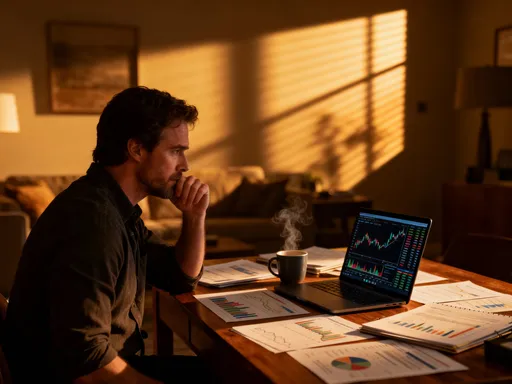
It was early spring when the first tremors hit. I remember checking my investment app one Tuesday morning and feeling my stomach drop. A stock I had poured a significant portion of my savings into—a company I believed was unstoppable—had lost nearly 18% overnight. No warning. No press release I’d missed. Just a sharp, silent nosedive. At first, I told myself it was normal volatility. Markets go up and down, I reasoned. But over the next two weeks, the losses deepened. Other holdings began to follow. My diversified portfolio, which I’d proudly believed was secure, started to feel fragile. That’s when it hit me: I hadn’t truly diversified. I hadn’t assessed the underlying risks. I had bought into a story, not a strategy.
The emotional toll was just as heavy as the financial one. I found myself checking my phone more often, jumping at every market headline. I started second-guessing decisions I’d made months earlier. Sleep became harder. I’d lie awake wondering if I’d made a mistake investing at all. But the real turning point came not from the loss itself, but from the realization that I had been passive. I hadn’t asked the right questions before buying. I hadn’t considered what would happen if the economy slowed, if interest rates rose, or if consumer sentiment shifted. I had trusted momentum, not measurement. That experience became my wake-up call. I decided then that I would no longer be a spectator in my own financial life. I would learn how to assess risk properly—not just react to it after the fact, but anticipate it, prepare for it, and manage it with intention.
From that moment on, my focus shifted from chasing returns to preserving capital. I began studying how markets behave under stress, how different asset classes respond to economic shifts, and how individual investors—especially those managing household finances—can build resilience. This wasn’t about becoming a Wall Street analyst. It was about gaining practical, everyday financial wisdom. I wanted a system that was clear, repeatable, and grounded in reality. And over time, through trial and a few more carefully managed mistakes, I built one. It’s not perfect, but it works. And more importantly, it gives me peace of mind.
What Risk Assessment Really Means (And Why Most Investors Get It Wrong)
Risk assessment is often misunderstood. Many investors think it’s about predicting the future or avoiding all losses. But that’s not accurate. True risk assessment is simply the practice of understanding how much you could lose—and whether you can afford to lose it—before you make a move. It’s not about fear. It’s about clarity. It’s asking honest questions: What’s the worst that could happen with this investment? How would I react if it dropped 20%, 30%, or even 50%? Would I panic? Would I sell at the worst possible time? These aren’t hypotheticals. They’re essential considerations that separate disciplined investors from emotional ones.
Most people get risk assessment wrong because they focus only on potential gains. They hear about a ‘hot’ stock or a booming sector and jump in without asking what could go wrong. They see others making quick profits and assume the same will happen for them. This kind of thinking is driven by emotion, not analysis. It’s like deciding to drive 80 miles per hour through a storm because someone else did it and made it home safely. Just because a risk paid off for someone else doesn’t mean it’s a smart move for you. Risk isn’t one-size-fits-all. It depends on your financial goals, time horizon, and emotional tolerance for loss.
Think of risk assessment like wearing a seatbelt. You don’t put it on because you expect to crash. You put it on because you know accidents happen, and you want to be protected if they do. The same principle applies to investing. Diversification, emergency funds, and clear exit strategies aren’t signs of pessimism—they’re signs of preparation. They allow you to stay calm when markets turn because you’ve already thought through the possibilities. When you assess risk properly, you’re not trying to eliminate it. You’re acknowledging it, measuring it, and deciding whether it’s worth taking. That shift in mindset—from avoidance to awareness—is what changes everything.
Reading the Market: Signals That Tell You When to Hold On or Step Back
Markets send signals all the time—if you know how to read them. I don’t rely on gut feelings or headlines. Instead, I watch for subtle shifts in behavior, sentiment, and performance that can indicate trouble ahead. One of the first things I monitor is volatility. When the market starts swinging wildly—up one day, down the next with no clear reason—it’s often a sign of uncertainty. I track the VIX, also known as the ‘fear index,’ not as a prediction tool, but as a mood meter. When it spikes, it tells me investors are nervous. That doesn’t mean I sell everything, but it does mean I pause and reassess.
Another signal I pay close attention to is sector rotation. Different parts of the market tend to perform well at different stages of the economic cycle. For example, when technology stocks surge while energy and consumer staples lag, it might indicate a speculative phase. On the other hand, when defensive sectors like healthcare and utilities start gaining strength, it could signal that investors are preparing for a slowdown. I don’t make trades based on a single signal, but when several point in the same direction, I take notice. It’s like watching the sky before a storm. You don’t need a weather report to see the clouds gathering.
Sentiment is another powerful clue. When everyone seems overly optimistic—when friends start giving stock tips at dinner parties or online forums are flooded with ‘can’t lose’ trades—it’s often a red flag. Extreme bullishness can precede a correction because when nearly everyone is already invested, there aren’t enough new buyers to keep prices rising. I use tools like investor sentiment surveys and put-call ratios to gauge market mood. Again, these aren’t triggers for action, but part of a broader picture. The goal isn’t to time the market perfectly. It’s to avoid being caught off guard. By staying alert to these signals, I’ve been able to adjust my positions before major downturns, shifting to more stable assets or increasing cash holdings when the environment feels uncertain.
Building Your Safety Net: Diversification Beyond the Buzzword
Diversification is one of the most repeated pieces of financial advice—and one of the most misunderstood. Saying ‘don’t put all your eggs in one basket’ is easy. Actually doing it in a meaningful way is harder. Many investors think they’re diversified because they own ten different stocks. But if all ten are in the same sector—say, tech—they’re still exposed to the same risks. True diversification means spreading your investments across different asset classes, industries, and timeframes so that a loss in one area doesn’t destroy your entire portfolio.
My approach starts with asset allocation. I divide my investments among stocks, bonds, real estate, and cash equivalents based on my goals and risk tolerance. Stocks offer growth, but they come with higher volatility. Bonds provide stability and income, especially when stock markets are shaky. Real estate adds another layer of diversification, often moving independently of the stock market. And cash—while it doesn’t grow much—is essential for emergencies and opportunities. I rebalance this mix once or twice a year to make sure I’m not drifting too far from my target.
Within each category, I go a step further. In stocks, I invest across large-cap, mid-cap, and small-cap companies, as well as domestic and international markets. I also look at sectors—technology, healthcare, consumer goods, energy—ensuring I’m not overexposed to any single industry. For bonds, I mix government, municipal, and corporate issues with different maturities. This layered approach doesn’t eliminate risk, but it reduces the impact of any one event. When one part of the market struggles, others often hold steady or even gain. Over time, this balance has helped me achieve more consistent returns with less stress.
Stress-Testing Your Investments: What If the Worst Happens?
One of the most powerful tools in my risk management toolkit is stress-testing. Before I commit to any investment, I ask: What if the worst happens? What if this stock drops 30%? What if interest rates rise faster than expected? What if a recession hits next year? These aren’t meant to scare me—they’re meant to prepare me. I run simple scenarios in my mind, imagining how my portfolio would respond under different conditions. This helps me decide whether I can afford the downside, not just dream about the upside.
For example, before buying a new stock, I calculate how much I would lose if it fell by half. Then I ask: Can I live with that loss without changing my lifestyle or delaying my goals? If the answer is no, I either reduce the position size or walk away. I also test my portfolio as a whole. I use online tools and spreadsheets to simulate market drops of 20%, 30%, even 50%. How much would I lose? Would I still be on track for retirement? Would I need to sell at a loss to cover expenses? These exercises aren’t about predicting doom—they’re about building resilience.
Stress-testing also helps me set clear exit rules. I decide in advance under what conditions I would sell—whether it’s a price drop, a change in fundamentals, or a shift in market conditions. This removes emotion from the decision. When a stock I own starts falling, I don’t panic. I check my plan. Did it break my rule? If yes, I act. If not, I stay the course. This discipline has saved me from selling low in a downturn and buying high in a bubble. Risk isn’t something to fear if you’re prepared for it. It’s something to manage—with logic, not emotion.
When Emotion Sneaks In: How I Keep Fear and Greed in Check
Even with the best tools and strategies, emotions can still take over. I’ve made my share of mistakes. I’ve bought stocks because they were rising, only to watch them fall. I’ve sold in a panic during a market dip, locking in losses I could have avoided. These weren’t failures of knowledge—they were failures of discipline. Fear and greed are powerful forces, especially when real money is on the line. But over time, I’ve learned how to manage them, not by suppressing emotions, but by building systems that keep me on track.
One of the most effective things I’ve done is create investment rules and stick to them. For example, I never make a trade based on a single news headline. I require at least two sources of confirmation—such as a trend change and a technical signal—before acting. I also set automatic price alerts so I’m not constantly checking my portfolio. This reduces the temptation to react impulsively. When I feel the urge to make a quick move, I impose a 24-hour cooling-off period. More than once, that single day has prevented a costly mistake.
I also review my long-term goals regularly. When markets are volatile, it’s easy to lose sight of why you’re investing in the first place. Is it for retirement? A child’s education? A future home? Reminding myself of these goals helps me stay focused on the big picture. I keep a written investment plan that outlines my strategy, risk tolerance, and time horizon. When emotions run high, I reread it. It’s like a compass that keeps me oriented when the noise gets loud. Over time, these habits have made me a calmer, more thoughtful investor. I still feel fear and excitement—I’m human. But I no longer let them make my decisions.
Putting It All Together: My Step-by-Step Routine Before Any Investment
Today, every investment I make follows a clear, repeatable process. It starts with research. I look at the company’s financial health, its competitive position, and its long-term prospects. I avoid chasing trends and focus on fundamentals. Next, I assess the broader market environment. Are we in a period of high volatility? Are interest rates rising? Is investor sentiment overly optimistic? I use these insights to decide whether it’s a good time to enter or if I should wait.
Then I evaluate my personal risk tolerance. How much can I afford to lose? How would this investment affect my overall portfolio balance? I run a quick stress test, imagining different downside scenarios. If the potential loss feels too heavy, I adjust the size of the investment or skip it altogether. I also define my exit strategy upfront. At what point would I sell? What indicators would tell me the story has changed? Writing this down removes emotion from the equation later.
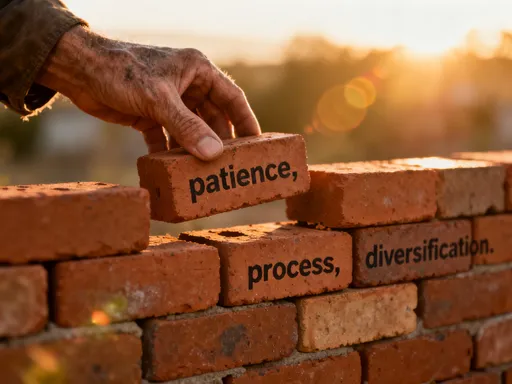
Finally, I check for diversification. Does this investment add balance, or does it overlap too much with what I already own? I aim for complementarity, not repetition. Once all these boxes are checked, I proceed—with confidence, not hope. This routine isn’t flashy. It won’t make headlines. But it’s protected my savings, reduced my stress, and helped me grow wealth steadily over time. The most important lesson I’ve learned is that consistency beats luck. Smart investing isn’t about making one brilliant move. It’s about making sound decisions, over and over, with patience and discipline.
Looking back, I’m grateful for that early loss. It taught me more than any book or course ever could. Real investing success isn’t measured by the size of your gains, but by the strength of your safeguards. It’s not about predicting the future, but about preparing for it. By assessing risk honestly, building a balanced portfolio, stress-testing decisions, and managing emotions, you can navigate markets with greater confidence—no matter what comes next. The goal isn’t to avoid all risk. It’s to understand it, respect it, and move forward with purpose. That’s how you protect what you’ve worked for—and build a financial future that lasts.