How I Survived a Debt Crisis Without Losing My Mind
I used to lie awake staring at the ceiling, paralyzed by numbers I couldn’t fix. My debt felt like quicksand—every move made it worse. I tried budgeting apps, side hustles, even selling old stuff, but nothing stuck. Then I shifted focus: not just earning more, but controlling costs like my financial life depended on it—because it did. This is how I clawed my way out using real strategies that actually worked, not hype. It wasn’t a windfall or a miracle. It was discipline, awareness, and a series of deliberate choices that slowly rebuilt my financial stability. What began as panic turned into a methodical journey—one that anyone overwhelmed by debt can follow.
Hitting Rock Bottom: The Moment I Realized I Was in a Debt Crisis
There was no single dramatic event that signaled the depth of my financial trouble—just a slow, creeping realization that something was deeply wrong. I had a steady job, paid my bills on time, and never missed a credit card payment. But each month, after covering rent, utilities, groceries, and the minimums on my cards, there was nothing left. Worse, there was often a deficit. I started using one card to pay another, shuffling balances like a magician hiding a failing trick. The wake-up call came on a quiet Sunday morning when I opened my banking app and saw the total: over $27,000 in unsecured debt. That number wasn’t shocking because it was unexpected—it was shocking because I had stopped feeling surprised by it.
What paralyzed me wasn’t just the amount, but the sense of helplessness. I had income, yes, but it evaporated before the 15th of each month. I was working full-time, yet I felt like I was running on a financial treadmill, sweating but going nowhere. I had ignored the early warning signs: the growing reliance on credit, the avoidance of checking my balances, the rationalizations that “this is just temporary.” The truth was, I wasn’t managing my debt—I was surviving it, day to day, paycheck to paycheck. The turning point came not from a financial advisor or a motivational podcast, but from a simple question I asked myself: What can I control right now? That shift—from blame to agency—was the first real step toward recovery.
Why Cost Control Matters More Than Extra Income (When You’re Drowning)
When most people talk about escaping debt, the first suggestion is almost always the same: “Get a side hustle.” And while earning more money can help, it’s not always the most effective or sustainable solution—especially when you’re already stretched thin. I tried it. I picked up freelance work, delivered groceries in the evenings, and even sold handmade crafts online. For a few months, I brought in an extra $500 a month. But here’s what no one talks about: that extra income came at a cost. I was exhausted. My health suffered. My relationships frayed. And much of that extra money? It got absorbed by new expenses—gas, delivery wear-and-tear, takeout meals because I had no time to cook. The net gain was minimal.
Then I tried the opposite: cutting $500 from my monthly spending. The results were immediate and profound. Unlike extra income, which is delayed by pay cycles and taxes, cost reductions free up cash right away. There’s no waiting for a paycheck. No invoicing clients. No risk of lost gigs. I canceled unused subscriptions, switched to a cheaper phone plan, reduced dining out, and found lower-cost alternatives for everyday items. The $500 I saved didn’t require more hours or energy—it just required attention. This taught me a crucial lesson: when you’re drowning in debt, reducing outflows is faster and more reliable than increasing inflows. Earning more feels hopeful, but controlling costs delivers breathing room—right now.
The 3 Hidden Spending Leaks That Keep You Broke
For three months, I tracked every single dollar I spent. No exceptions. I used a simple spreadsheet, logging each transaction by category and date. At first, I thought I had a good handle on my spending. I wasn’t buying luxury items. I didn’t dine at fancy restaurants. But the data told a different story. Over those 90 days, I discovered three consistent patterns that were quietly draining my finances—what I now call the hidden spending leaks. These weren’t large, obvious expenses. They were small, recurring, and easy to ignore—until they weren’t.
The first leak was forgotten subscriptions. I had signed up for various services during promotions—streaming platforms, fitness apps, cloud storage—and never canceled them. Some were $9.99 a month. Others were $14.99. Alone, they seemed harmless. But together, they totaled over $75 a month—more than my internet bill. The second leak was lifestyle inflation after small wins. Every time I paid off a small balance or got a bonus, I rewarded myself with something slightly more expensive—better coffee, a new outfit, a weekend trip. These weren’t reckless splurges, but they eroded my progress. The third and most damaging leak was emotional spending. During stressful weeks, I’d find myself online shopping, ordering takeout, or buying things I didn’t need. These purchases weren’t about utility—they were about comfort. Once I identified these three patterns, I could create systems to stop them. Awareness was the first step, but rules and routines were what made the difference.
Building a No-Guilt Spending Framework (That Actually Works)
I used to follow strict budgets that left no room for flexibility. Every dollar was assigned, and if I went over in one category, I felt like a failure. This approach didn’t work for me—it led to guilt, frustration, and eventually, abandonment. I realized I needed a system that accounted for human behavior, not one that punished it. So I created a new framework with three simple categories: Essentials, Flex, and Future. This wasn’t about deprivation. It was about intention.
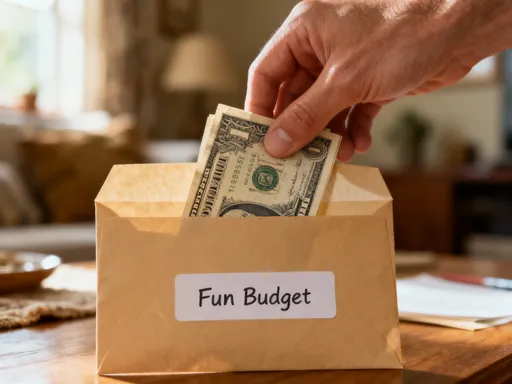
Essentials covered non-negotiables: rent, utilities, groceries, insurance, and minimum debt payments. These were fixed and prioritized. Flex was my guilt-free spending zone. It included coffee, meals out, entertainment, and small personal purchases. I set a weekly cap—$75—but as long as I stayed within it, I didn’t judge myself. This eliminated the shame cycle that often leads to binge spending. Future was money that went straight to debt overpayments or savings. I automated this transfer the day after payday, so it happened before I could rationalize keeping it. This system worked because it balanced discipline with compassion. I wasn’t cutting out joy—I was planning for it. And by giving myself permission to spend within limits, I actually spent less. The psychological shift was powerful: I stopped feeling restricted and started feeling in control.
Turning Fixed Costs Into Flexible Levers
One of the biggest myths in personal finance is that certain expenses are “fixed.” Rent, car payments, insurance, phone bills—these are often treated as unchangeable. But I learned that very few costs are truly fixed; most are just habitual. The real issue isn’t the expense itself, but the mindset that says, “This is just what I have to pay.” I decided to challenge that. I started by calling my internet and phone providers. I didn’t demand anything—I just asked, “Are there any current promotions or retention deals available?” In both cases, I qualified for discounted rates. One call saved me $35 a month. Another saved $45. These weren’t temporary gimmicks—they were ongoing reductions as long as I stayed with the service.
Next, I reviewed my insurance policies. I shopped around for car and renters insurance and found a provider offering the same coverage for 18% less. I switched without any disruption. I even renegotiated my rent. When my lease was up, I asked my landlord if they could match a slightly lower rate I’d seen in a neighboring building. They agreed, saving me $80 a month. These changes required effort, yes, but no lifestyle sacrifice. The total savings from these “fixed” cost adjustments? Over $200 a month. That’s $2,400 a year—money that now goes toward debt reduction. The lesson was clear: if you don’t ask, the answer is always no. Treating every bill as negotiable transformed passive spending into active financial management.
The Behavioral Hacks That Stopped My Impulse Spending
For years, I thought impulse spending was a failure of willpower. I blamed myself for lacking discipline. But the truth is, willpower is a finite resource, and trying to rely on it alone is a recipe for failure. Instead of fighting the urge, I focused on changing the environment that made it easy to give in. I built friction into my spending process. The first hack was the 48-hour rule: if I wanted to buy something non-essential, I had to wait two full days before purchasing. In that time, I often realized I didn’t actually want or need it. The urge passed.
The second hack was deleting saved payment information from all my browsers and apps. No more one-click checkouts. Now, I had to manually enter my card details, shipping address, and security code. That extra 30 seconds was enough to break the autopilot mode. The third was a spending journal. Before any discretionary purchase, I wrote down exactly why I wanted it. Was I bored? Stressed? Lonely? Over time, I saw clear patterns: emotional voids were being filled with retail therapy. Once I recognized the triggers, I could address the root cause—calling a friend, going for a walk, journaling—instead of numbing it with a purchase. These weren’t about willpower; they were about designing a system that made good choices easier and bad ones harder.
From Crisis to Control: How I Rebuilt My Financial Foundation
Getting out of the debt crisis wasn’t the end of the journey—it was the beginning of a new relationship with money. Once I stabilized my cash flow and stopped the bleeding, I focused on rebuilding. I started with an emergency fund. I set a goal of $1,000, then $2,500, then three to six months of living expenses. I automated transfers so that saving became effortless. Next, I set up automatic debt payments that exceeded the minimums. I used the avalanche method—focusing on high-interest debt first—which saved me hundreds in interest over time. I also began tracking my net worth monthly, not to obsess over numbers, but to measure progress.
But the most important change was internal. I no longer felt shame or anxiety when I looked at my accounts. I felt clarity. I had systems, not just goals. I had control, not just hope. Money stopped being a source of fear and started being a tool—one I could use intentionally. I now review my spending quarterly, renegotiate bills annually, and adjust my budget as life changes. This isn’t a temporary fix; it’s a sustainable lifestyle. The real victory wasn’t paying off $27,000 in debt. It was gaining the confidence that I can handle whatever financial challenge comes next. If I could rebuild from rock bottom, so can you. It starts with one question: What can I control right now? The answer is more power than you think.